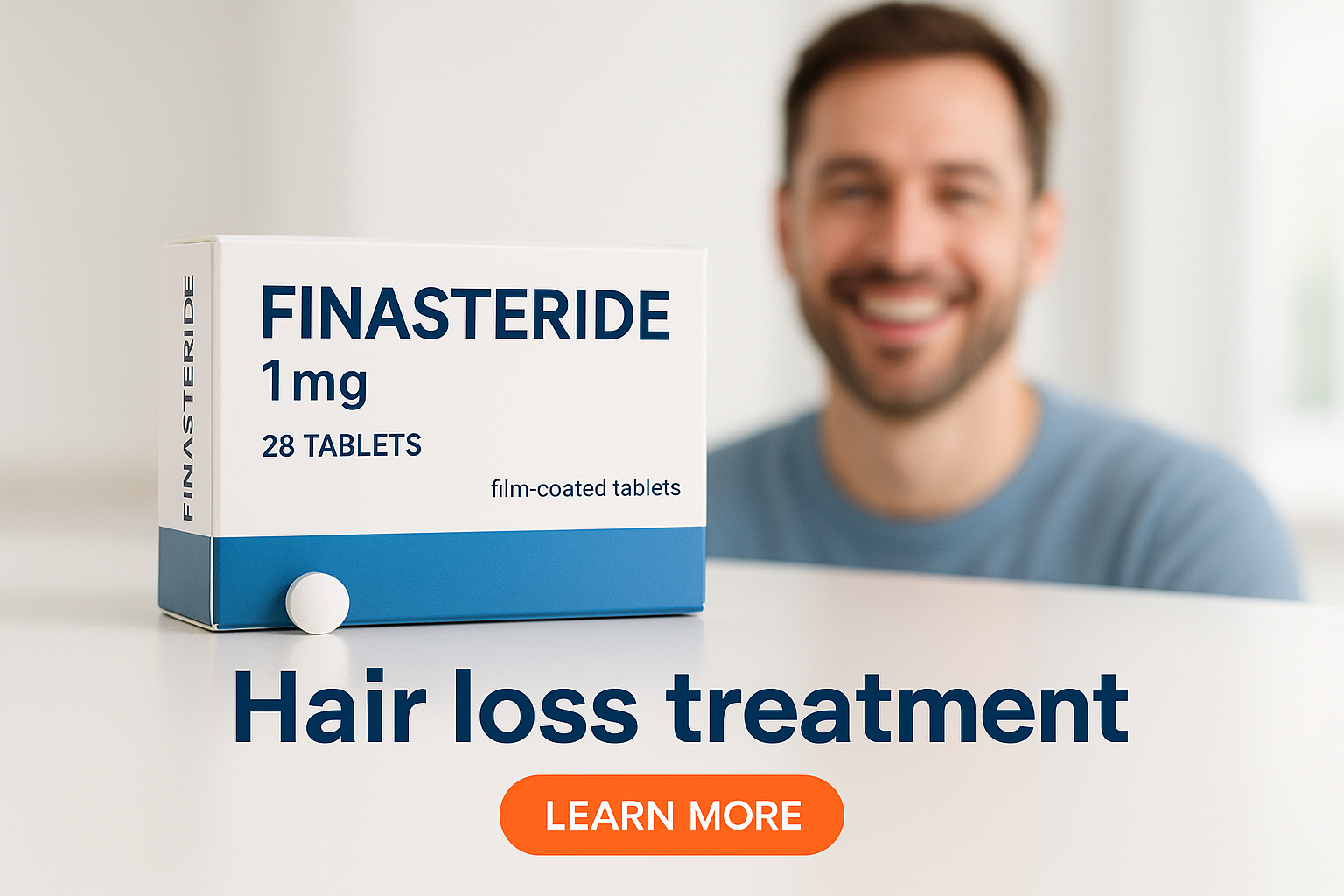
Finasteride has transformed treatment options for male pattern baldness and benign prostatic hyperplasia (BPH), helping millions of men globally. This medication promises clinically proven outcomes, significantly impacting confidence and life quality. But what is finasteride? How does it work? Understanding these aspects is essential for those considering its use in healthcare plans. This guide provides key information.
Finasteride: Mechanism, Uses, and Clinical Background
Finasteride, a prescription drug, is classified as a type II 5-alpha-reductase inhibitor. It blocks the conversion of testosterone to dihydrotestosterone (DHT), an androgen responsible for hair follicle miniaturization and prostate growth. Initially developed for BPH management, finasteride also effectively addresses hair loss, thus broadening its therapeutic spectrum to include androgenetic alopecia.
Commonly, finasteride is available in 1mg doses for hair loss and 5mg for BPH. Both brand-name and generic versions are thoroughly regulated and registered. Important regulatory details can be found on the FDA’s resources like Drugs@FDA NDA215423 finasteride.
Notably, finasteride is prescribed only for men. Women, particularly those pregnant, must avoid contact with damaged tablets to minimize fetal risks.
The Benefits of Finasteride: Hair Loss and Prostate Health
Combatting Male Pattern Baldness
Male pattern baldness is hereditary, affecting males early in life. Finasteride’s efficacy in this area is well-documented, with studies confirming its capacity to halt and sometimes even reverse hair loss. Authoritative resources such as PubMed finasteride 41947872 highlight the medication’s impact on hair shedding reduction and regrowth with consistent 1mg use over a few months.
Finasteride, as an FDA-approved solution, stands apart from over-the-counter remedies for its tangible results, providing many patients with renewed self-confidence. For those interested in related male health issues, information about Cialis might be valuable.
Managing Benign Prostatic Hyperplasia (BPH)
The 5mg dosage targets BPH, characterized by prostate enlargement impairing urinary function. By reducing DHT, finasteride effectively shrinks the prostate, alleviating symptoms like weak urine flow, frequent urination, and incompletely voiding the bladder. This can negate the need for surgeries or catheter use in many instances.
Safety Profile and Known Side Effects
Finasteride, like other prescriptions, may have side effects. Most users report tolerability, yet some might experience reduced libido, erectile dysfunction, and decreased ejaculate volume—all typically reversible on discontinuation. Rare cases include breast tenderness or depression, warranting medical consultation.
safety standards are defined by FDA approvals, like Drugs@FDA ANDA078371 finasteride or Drugs@FDA ANDA076437 finasteride. Patients often undergo PSA monitoring as finasteride can mask early prostate cancer symptoms. Always inform your healthcare provider about finasteride use.
The question of “Finasteride No Prescription” persists online, though purchasing without a legitimate prescription risks unsafe or counterfeit products. Seek reputable healthcare sources for obtaining finasteride.
Finasteride: Dosage, Accessibility, and Cost Considerations
Finasteride 1mg vs. Finasteride 5mg
The two primary doses serve different purposes. The 1mg version is approved for male pattern baldness, while the 5mg treats BPH. Both variants require medical oversight and should be used as directed. Any adjustment to your dose mandates medical consultation.
Generics now bolster accessibility post-patent expiration, affording cheaper treatment alternatives. Numerous retailers emphasize "Lowest Price Finasteride" offerings, but vigilance about pharmacy reputation is crucial. Online purchases should comply with legal prescription mandates.
| Feature | Finasteride 1mg | Finasteride 5mg |
|---|---|---|
| Primary Use | Male pattern baldness | Benign prostatic hyperplasia (BPH) |
| Typical Dosage | 1mg once daily | 5mg once daily |
| Prescription Required | Yes | Yes |
| Availability | Branded & Generic Finasteride | Branded & Generic Finasteride |
Comparing Finasteride to Other Treatment Options
Finasteride remains one therapeutic option among many for hair loss and prostate conditions. Alternatives like minoxidil offer topical application for hair loss, though finasteride is the only DHT-focused approved oral drug. For BPH, other medications might assist with symptoms, but won't reduce the prostate size as effectively.
Treatment optimization considers personal lifestyle, other medications, or co-treatments like Tadalafil. Making informed health decisions based on thorough option evaluation ensures comfort, safety, and effectiveness. Potential interactions should prompt consultation with healthcare providers, supported by options detailed through outlets like 214area.
Consultation, Monitoring, and Living with Long-Term Finasteride Use
Managing therapy with finasteride benefits from regular medical check-ins. These evaluate drug response, track side effects, and monitor relevant lab data like PSA for BPH management. Warranting note, finasteride-induced improvements tend to stabilize after a year of use, though effects typically reverse once use ceases.
Shared treatment decision-making between physicians and patients empowers men towards desired outcomes, be it addressing hair loss or enhanced prostate health. Balancing benefits and risks should anchor such pathways, guided by those prescribing finasteride or related treatments like Strattera.
- Available by prescription in 1mg and 5mg doses, Finasteride proves effective for male baldness and BPH.
- Mild side effects, notably sexual dysfunction, encourage regular clinical evaluations for optimal care.
- Generic finasteride offers cost efficiency but must always come from credible sources with necessary prescriptions.
- Avoid purchasing finasteride over the counter to curb counterfeit and potential safety drawbacks.
You May Also Like
Conclusion: Finasteride persists as a top cornerstone for managing male pattern baldness and BPH. Shaped by extensive clinical data and strict regulatory guidance, it confidently offers substantial benefits to qualifying users. Patient awareness and provider peer-engagements will steer personal suitability and entrusted choicism.


