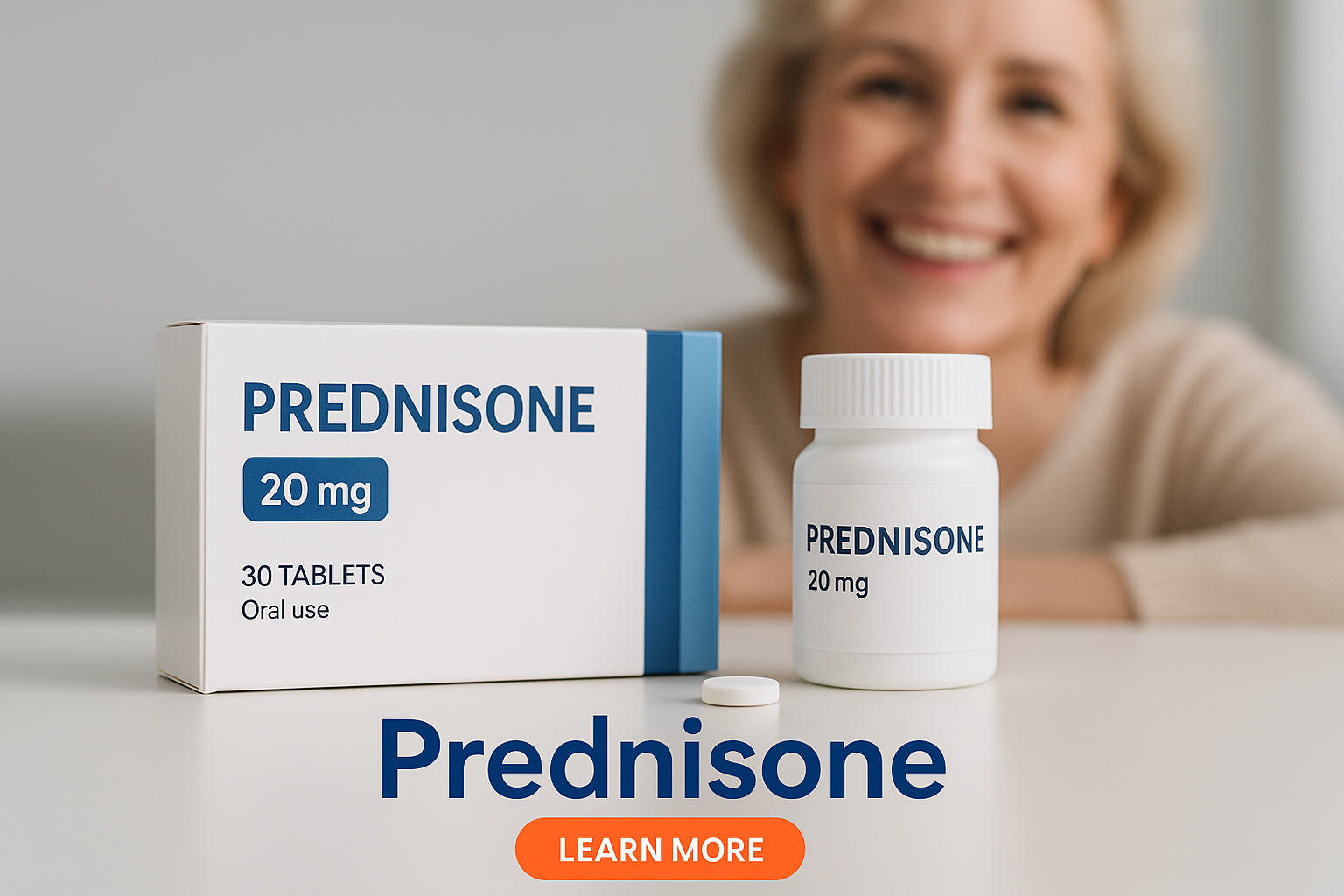
When Might You Need Prednisone?
Consider the clinical scenario wherein an individual is confronted with an acute onset of a severe allergic reaction or receives a new diagnosis involving an autoimmune pathology. In such cases, healthcare providers may elect to prescribe prednisone, which is classified as a corticosteroid medication that appears to offer significant utility in dampening inflammatory processes and downregulating immune system overactivity. Individuals prescribed this medication might naturally express concerns regarding the drug’s safety and efficacy profiles, as well as the pervasiveness of prevalent misconceptions, prior to initiating therapy.
Given its adaptability, prednisone is frequently dispensed in multiple dosages and formulations, one example being the FDA NDC 51655-242 prednisone tablet. Prescribing clinicians adjust dosing parameters based on patient-specific considerations, including disease severity and comorbidities. Patients seeking information about prednisone, particularly about common tablets forms such as prednisone 20mg or prednisone 10mg, might also investigate where to buy prednisone on line. However, such pursuits should ideally be conducted via reputable or legally regulated resources as, in general, professional medical supervision is strongly advised with this class of medications.
With a degree of curiosity regarding therapeutic interventions frequently encountered in clinical care, many may find it helpful to investigate related pharmacological agents. For example, you can read more about Xenical to enlarge your general understanding of the variety of prescription medications available and their divergent uses.
What Are the Common Myths About Prednisone?
There is a persistent belief among certain patient groups that prednisone invariably induces irreversible harm following any prolonged exposure. However, the literature suggests that, while extended corticosteroid therapy can entail substantive risks—most notably concerning metabolic, skeletal, or immunologic complications—managed, shorter regimens under the watchful oversight of a clinician typically remain both safe and purposefully effective. Essentially, prednisone aims to replicate the endogenous glucocorticoids naturally secreted as part of the physiological stress response, thereby modulating inflammatory and immune pathways that may otherwise be detrimental in diseased states.
It also appears misconceptions surround the notion of prednisone and weight gain, specifically the expectation of immediate or inevitable extreme body mass increases. Adverse effects such as weight gain are well documented but tend to be variable, depending on dosage, length of therapy, and patient-specific response factors. Thus, not all individuals receiving prednisone at prescribed levels are likely to experience substantial, rapid gains in weight or other equally pronounced adverse reactions.
Short and succinctly, assertions that prednisone might be inherently addictive, or that one may cease therapy abruptly without consequence, merit caution. Evidence and published guidelines firmly recommend against abrupt discontinuation, as doing so could precipitate clinically significant withdrawal phenomena or adrenal insufficiency, which emphasizes the need for incremental tapering strategies tailored to patient circumstances.
Should more information about formal approvals and detailed drug descriptions be required, individuals are encouraged to consult primary sources such as the Drugs@FDA ANDA085151 prednisone page for regulatory insights and composition data specific to prescription formulations.
Is Buying Prednisone Online Risky?
In recent years, an increasing number of patients have sought to procure prednisone via online platforms—often motivated by higher levels of convenience or the perception of lower direct costs. However, it should be noted that the legitimacy and quality of medicines purchased online may be variable and, in certain instances, compromise patient safety if obtained from unauthorized sources. A number of websites purporting to offer “prednisone for sale” or promoting “cheapest 10mg generic prednisone” could, in fact, distribute substandard, counterfeit, or expired pharmaceuticals, thereby introducing health risks that may outweigh potential cost savings.
Accordingly, both professional literature and regulatory bodies consistently recommend that individuals wishing to purchase prescription medications engage only with verified, licensed pharmacies to guard against these risks and ensure therapeutic efficacy. Initiatives such as “Prednisone Buy” services or “Prednisone Coupons” may offer real or perceived savings; nonetheless, exercise elevated scrutiny in confirming the credibility and registration status of pharmacies involved in such transactions.
For clinicians, researchers, or patients seeking meticulously updated reference data pertaining to drug composition, intended use, and regulatory status, consulting reputable (and frequently updated) sources, like PREDNISONE TABLET [BRYANT RANCH PREPACK], is strongly encouraged.
How Should Prednisone Be Used Safely?
Appropriate administration of prednisone involves tailoring dosage regimens to the patient’s particular diagnosis, physiology, and therapeutic goals. Opportune dosing may range from 5 mg to 40 mg daily or more, contingent on clinical indications. Recent consensus and published guidelines underscore both the paramount importance of adhering strictly to prescribed regimens and the utility of a supervised dosage taper, especially given the body’s need for gradual cortisol adjustment to mitigate withdrawal risk and preserve homeostasis.
“Prednisone should be used at the lowest effective dose for the shortest duration possible to minimize potential side effects while providing therapeutic benefit.” – Medical Guidelines
Open communication between patients and healthcare providers is advised before, during, and after corticosteroid therapy. Side effects such as shifts in mood, elevated appetite, or sleep disturbances may arise and warrant discussion so that medication adjustments or added monitoring may be promptly implemented. Through careful observation, adverse drug reactions are detected at an earlier stage, potentially allowing timely changes and better overall clinical outcomes.
A multidisciplinary approach to medication safety may involve cross-referencing additional drug guides, such as those explaining Tadalafil, or referring to community health information portals like 214area for complementary medical resources. Such diligence seems prudent given the potential risks associated with corticosteroid use.
Conclusion
Ultimately, prednisone is considered by clinicians to be a critical pharmacological option in the management of diverse chronic and acute diseases characterized by exaggerated inflammatory or autoimmune drive. It appears that dispelling persistent myths—while fostering greater health literacy among patients—may empower safer use and facilitate optimal therapeutic benefit. In all cases, consulting knowledgeable healthcare professionals and trustworthy primary sources is highly recommended, especially in relation to treatment planning, safety monitoring, or making informed decisions about where and how to obtain the medication.
An exploration of official documentation—such as those available through FDA NDC 51655-242 prednisone—could further illuminate detailed aspects of this drug and its approved formulations.
In summary, a measured and well-informed perspective regarding the use of prednisone could contribute substantially to demystifying its pharmacology, which in turn may encourage more effective and safer healthcare decisions by patients and providers alike.


